How Families Can Stay Organised During Moves or Relocation
Families often face a busy period when preparing for a move or relocation. Days can feel squeezed and routines can shift quickly as planning, packing and decision making fill the schedule. A clear approach helps create a sense of structure, so the process feels manageable rather than overwhelming. This article focuses on achievable actions that guide families through preparation, packing and settling into a new home without raising stress levels unnecessarily.
Preparing a Clear Moving Plan
A structured plan helps create order during the early stages of relocation. A good starting point involves outlining the timeframe for the move and breaking it into workable sections. This method helps create direction, so each person knows how their role fits into the overall plan.
A shared checklist works well for keeping everyone aligned. Items such as contacting utility providers, confirming move dates or arranging temporary storage can be noted clearly. Parents can assign responsibilities, so no detail is overlooked. Children can be given smaller tasks, so they feel included. Setting weekly goals creates steady progress and avoids a rush in the final days.
Managing Household Items and Packing Efficiently
Families can sort items room by room which helps reduce the amount that needs packing and makes unpacking more straightforward. Items that are no longer needed can be donated so the new home feels lighter and less cluttered.
Clear labels on boxes reduce confusion during the move. A simple system involving colour coded stickers or large text on each box helps movers understand where items should go. Essentials such as toiletries, school supplies and first night bedding can be packed separately so they remain accessible as soon as the family arrives.
Wrapping breakables carefully, securing containers tightly and placing heavier items at the bottom of boxes helps protect belongings. Families can create an inventory for valuable items which offers peace of mind and makes it easier to track belongings once everything arrives at the new location.
Maintaining Family Routines During the Transition
Routines offer comfort during busier periods, so families benefit from keeping familiar patterns where possible. Meals at regular times, consistent bedtimes and stable school routines help children feel anchored even when the home is filled with boxes.
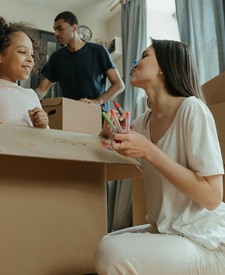
Talking openly about the move helps younger family members adjust. Children often feel more secure when they understand what will happen and when. Simple explanations about what to expect help them process the changes ahead. Parents can plan small breaks during busy days so the household can rest and regain energy.
Keeping a few familiar items easily available such as a favourite book, toy or bedtime routine accessory helps maintain a sense of continuity.
Coordinating Family Schedules and Responsibilities
Clear communication helps the move progress without confusion. Families can divide responsibilities based on skills and availability. One person might manage communication with removal companies while another focuses on admin tasks such as updating school details, arranging mail redirection or preparing paperwork.
Shared digital calendars help keep track of deadlines. Colour coded entries help each family member see what requires attention during the week. Adults can set reminders, so nothing is left to the last minute. Regular family check-ins allow everyone to raise concerns and adjust plans where needed. This collaborative approach supports a smoother experience for the household.
Parents with young children may choose to arrange childcare for moving day. This keeps children safe and gives adults space to manage heavy lifting and last minute coordination without distraction.
Even with careful coordination, moving can present unique challenges for households with different structures, such as single-parent or non-complete families.
Using Local Support and Services to Stay Organised for All Families
Local support and community resources can make a significant difference during a move. Families can benefit from guidance from community organisations, storage facilities, cleaning services, and other local professionals who understand the area.
Non-complete families, such as single-parent households or families going through separation, may face additional considerations during relocation. Support from professionals such as Windsor divorce lawyers can help clarify arrangements related to children or shared responsibilities, allowing the family to focus on the move itself.
Practical local assistance, including organising transport, booking storage units or using packing services, helps reduce the workload for all types of households. Community centres and local networks provide advice, emotional support and useful connections, making the transition smoother and less stressful.
Settling Into the New Home With Confidence
Unpacking the most important rooms first helps restore a sense of normality. Kitchens and bedrooms are often prioritised as these spaces support daily routines.
Routines can be re-established once essential items are unpacked. Parents can set time aside for exploring the new neighbourhood, introducing children to local parks or locating nearby shops. These small steps help build familiarity with the new environment and encourage a positive start.
Tasks such as organising storage, sorting clothing or arranging furniture can be spaced across several days. This avoids exhaustion and gives children time to adapt. Conversations about what feels comfortable in the new home help families make decisions together, so the space reflects everyone’s needs.
Heading Towards a Smooth Transition
Families who approach a move with structure, communication and steady routines often find the process more manageable. A balanced plan, thoughtful packing and engagement with local support services help reduce stress during a period filled with change. These steps help households settle more confidently and shape a positive start in their new surroundings.